

Do Not Receive Dental Implants – Before Reading This
Do not receive dental implants before knowing about your condition. Dental implants are often described as the most advanced way to replace missing teeth, and in many cases, that’s true. They’re strong, stable, and designed to function like natural teeth. But here’s something responsible dentists don’t always say loudly enough:
Dental implants do not suit everybody – at least not immediately.
It is equally important to know who needs to stop, wait, or not have implants as well as to know who would make a good candidate. This guide describes the true medical causes why an implant could not be appropriate, the warning signs that dentists should watch, and the harmless options that would safeguard your future oral health.
Why This Question Matters More Than You Think
Most patients visit the clinic with a perception that one can only say
“I want an implant”
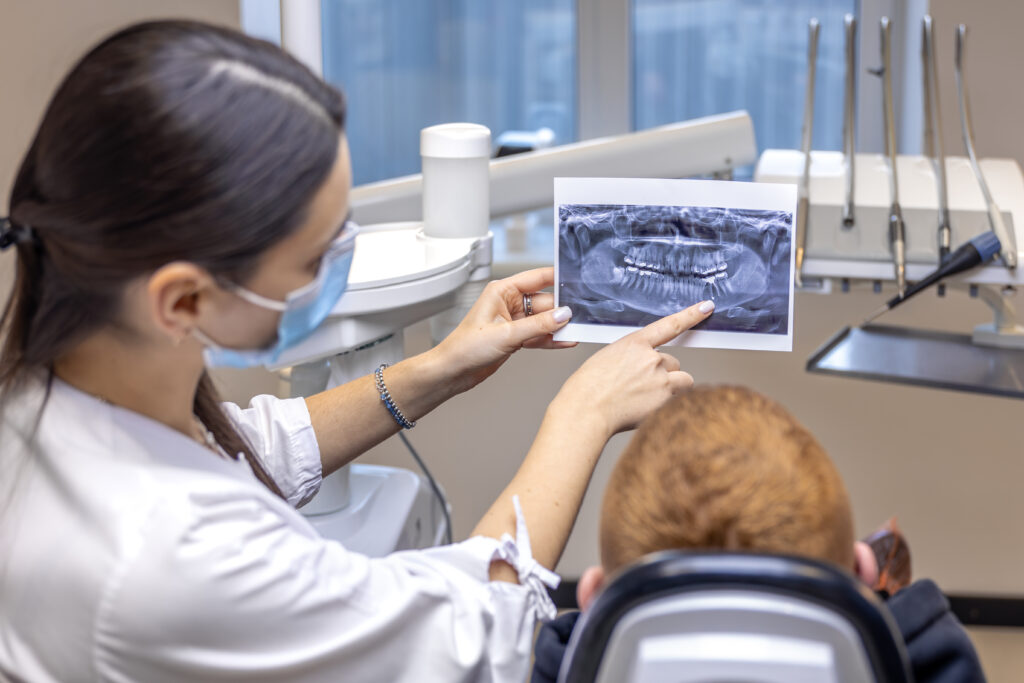
but implant planning is actually about timing, foundation, and the condition of health altogether. Placing implants when conditions aren’t right can lead to:
- Implant failure
- Infection
- Bone loss
- Repeat surgeries
Therefore, it is worth noting that even at clinics that offer the Best Dental implants in Coimbatore, treatment does not hurry since the first thing they focus on is assessment.
Who Should Do Not Receive Dental Implants?
1. Individuals Infected with Gum Disease
Healthy gums are necessary in order for implants to succeed. If there’s:
- Bleeding gums
- Pus or infection
- Advanced periodontal disease
Placing an implant can worsen the condition and compromise healing.
What to do instead:
Prevent gum disease by first taking care of your teeth and healing the disease before taking another thought on implants.
2. Patients with Severe Bone Loss.
Implants have to be set firmly in the bone, so there has to be enough bone volume. In case the bone volume is insufficient, one cannot safely do an implant right away.
This situation is common in people who:
- Lost teeth years ago
- Had untreated infections
- Wore dentures for a long time
What to do instead:
The missing support can be restored through bone grafting or staging dental therapy to make the implants possible in the future.
3. People With Uncontrolled Medical Conditions
Certain health problems can make it more risky to get implants, particularly if they are not controlled:
- Diabetes that is not managed
- Immune system disorders
- Recent radiation therapy to the jaw
- Some drugs for osteoporosis
Having these problems doesn’t mean that implants are definitely off the table, but it does mean that there has to be a very careful treatment plan and medical coordination during the dental consultation.
4. Heavy Smokers/Tobacco Users
Smoking decreases the blood flow to gums and bones thus slowing down healing and predisposing implants to failure.
Dentists often advise:
- Quitting smoking before implant surgery
- Or delaying implants until tobacco use is reduced
This step alone can dramatically improve outcomes, even in clinics known for Pain-free Dental implants in Coimbatore.
5. Patients who have low oral hygiene.
There is a need to do long-term maintenance on the implants. Implants are not always the safest at that time, in case of inconsistency in brushing and flossing or follow-up visits.
The problem of the implant failure does not lie in the implant itself, but in many cases, the negligence, following its very insertion.
6. Very Young Patients
In teenagers or young adults, jaw growth may not be complete. Placing implants too early can lead to:
- Alignment issues
- Bite problems
- Aesthetic concerns later
Dentists usually recommend waiting until growth stabilizes.
7. Patients Expecting a “Quick Fix”
Implants are durable, but they’re not instant. Healing, integration, and follow-up are essential. Patients unwilling to follow the process may be better suited to temporary alternatives.
Alternative to Dental Implants: Safe Alternatives to Dental Implants
Not using implants does not imply living with holes and pain. Alternatives are usually provided depending on the needs of the individual by a dentist.
1. Dental Bridges
Useful when adjacent teeth need support. Offers functional replacement without surgery.
2. Removable Dentures
Modern dentures are more comfortable than older versions and work well as temporary or long-term solutions for some patients.
3. Periodontal Treatment First
Treating gum disease or infection often turns a “no” into a future “yes” for implants.
4. Orthodontic Planning
In some cases, Invisalign treatments help redistribute spacing and improve bite stability before or instead of implants.
These alternatives protect comfort, function, and appearance while preserving future options.
Can You Become a Candidate Later?
In fact, usually, yes.
A lot of patients who are first advised to wait turn out to be perfect candidates after:
- healing of gums
- generation of new bone
- getting rid of any diseases
- stopping the smoking addiction.
Such improvement is gradual, and it is normal in a trustworthy dental clinic in Coimbatore that does not rush to make up its mind.
Why Honest Assessment Is a Sign of Good Dentistry
A dentist who advises against implants today isn’t denying care, they’re protecting you.
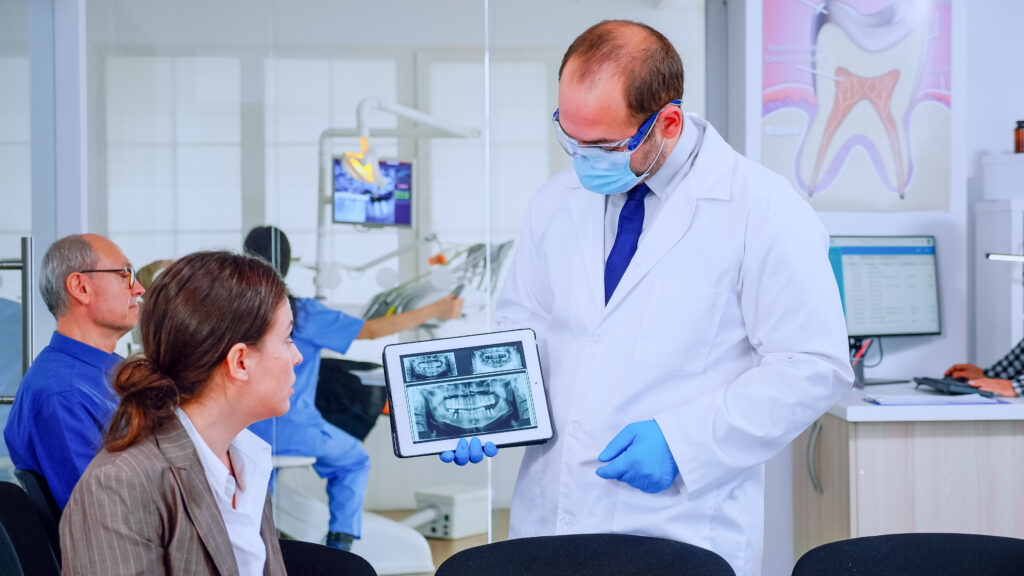
Responsible dental care means:
- Saying “not yet” when needed
- Presenting less risky choices.
- Long term health planning.
This will save redundant processes and avoidable costs and unwarranted pain.
How This Decision Affects Your Overall Oral Health
Choosing the right path supports:
- Healthy gums and bone
- Stable chewing and bite
- Better outcomes for teeth whitening
- Predictable results with Invisalign treatments
Implants are effective – but only when the basis is correct.
Conclusion
If this is the kind of cry you are going through, then just pause and get the clear mind that you deserve. Actually, a short chat with Dental Care Professionals (DCP) will already reveal to you the exact things that are right with your case, clarified, genuine and in the first comfort way.
On time steps will keep away from your bother of fixing small problems later on, and the right team will make all the steps easier.
If you are ready, DCP can lead you to the most certain, safest way forward.
FAQs
1. Would avoiding implants imply that I will never have them?
No. Many patients become eligible later with proper treatment.
2. Is gum disease a permanent barrier to implants?
No. Once treated and stabilized, implants may be possible.
3. Are implants risky for diabetic patients?
They can be safe if diabetes is well controlled.
4. Can smokers still get implants?
Yes, but quitting or reducing smoking greatly improves success.
5. Are alternatives like bridges permanent?
They can be long-term solutions, depending on oral health and care.