

Top 10 Signs You Need to Visit a Dental Clinic
Many people visit a dental clinic only when the pain becomes difficult to manage. However, most dental problems start with mild symptoms that are easy to overlook. A small cavity, slight gum bleeding, or occasional tooth sensitivity may not seem serious at first, but delaying treatment can lead to more complex dental issues.
Recognizing the early signs of dental problems helps protect your teeth, gums, and overall oral health. Regular dental check-ups also make it easier to identify concerns before they require extensive treatment.
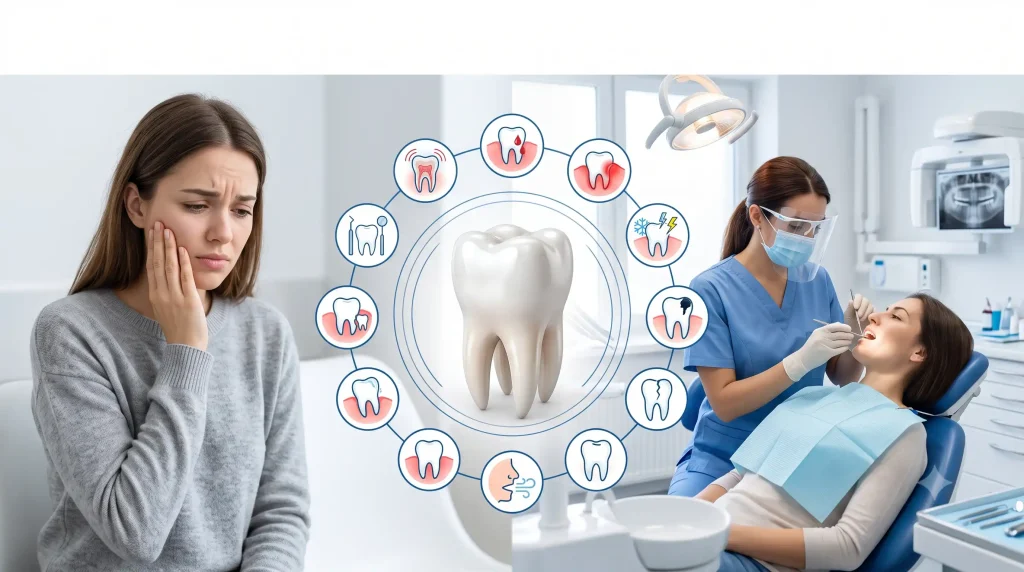
In this blog, we’ll discuss the Top 10 Signs You Need to Visit a Dental Clinic and why early care makes a difference.
Why Early Dental Care Matters
Your mouth often shows early signs of dental problems. Ignoring these signs may allow bacteria, tooth decay, or gum disease to progress over time.
Visiting a dental clinic early can help:
- Prevent dental problems from becoming severe
- Reduce the need for complex procedures
- Relieve pain and discomfort
- Protect your natural teeth
- Support healthy gums and overall oral health
Even if your symptoms seem minor, understanding the Top 10 Signs You Need to Visit a Dental Clinic can help you identify potential dental problems early and get the right treatment before they become more serious.
1. Tooth Pain That Doesn’t Go Away
People often visit a dentist because of a painful tooth.While mild discomfort may come and go, pain that lasts for more than a day or two should not be ignored.
Persistent tooth pain may be caused by:
- Tooth decay
- A cracked tooth
- An infected tooth
- Gum infection
- Damage to the tooth nerve
Pain while chewing or biting is another sign that something may be affecting the tooth. Early care can reduce the dental problem from getting worse
2. Bleeding or Swollen Gums
Healthy gums should not bleed during brushing or flossing.
If you notice bleeding gums regularly, it may be an early sign of gum disease. Other symptoms include:
- Red gums
- Swollen gums
- Tender gums
- Receding gums
- Bad taste in the mouth
When left untreated, gum disease can affect the bone supporting your teeth and may eventually lead to tooth loss.
Professional cleaning and proper gum care can help manage gum disease before it progresses.
3. Tooth Sensitivity to Hot or Cold Foods
Do you get tooth pain when drinking coffee or eating ice cream
Sometimes teeth feel sensitive, but frequent pain can show a problems
- Worn enamel
- Tooth decay
- Gum recession
- Cracked teeth
- Exposed tooth roots
A dentist can identify the exact cause and recommend suitable treatment before the sensitivity worsens.
4. Persistent Bad Breath
Bad breath after eating certain foods is common. However, if bad breath continues even after brushing and maintaining good oral hygiene, it may point to an underlying dental issue.
Common causes for Persistent Bad Breath include:
- Plaque build-up
- Gum disease
- Tooth decay
- Oral infections
- Dry mouth
A professional dental examination can help identify the reason behind persistent bad breath and improve your oral health.
5. Loose, Chipped, or Broken Teeth
Adult teeth should never feel loose.
If you notice a loose tooth or experience a chipped or broken tooth due to an injury or biting hard food, it’s important to seek dental care promptly.
Delaying treatment may increase the risk of:
- Infection
- Further tooth damage
- Difficulty chewing
- Tooth loss
Depending on the condition, treatment may include fillings, crowns, or other restorative procedures.
6. Pain While Chewing
Pain while chewing is often a sign that something is wrong with your teeth or jaw.
Possible causes include:
- Tooth infection
- Cracked tooth
- Cavities
- Gum disease
- Bite problems
Ignoring pain during meals can make eating uncomfortable and may lead to more extensive dental treatment later.
7. Swelling Around the Teeth or Jaw
Swelling is usually a sign that your body is responding to an infection or inflammation.
You should visit a dental clinic if you notice:
- Swollen gums
- Facial swelling
- Jaw swelling
- Pus near a tooth
- Difficulty opening your mouth
Dental infections should be treated promptly to prevent them from spreading.
If swelling is accompanied by fever or severe pain, seek immediate dental care.
8. Mouth Sores That Do Not Heal
Small mouth ulcers often heal within one to two weeks.
However, if a sore remains for more than two weeks, becomes larger, or causes continuous discomfort, it should be examined by a dentist.
Long-lasting mouth sores may result from:
- Infection
- Continuous irritation
- Injury
- Other oral health conditions
Early evaluation helps determine the cause and ensures appropriate care.
9. Food Frequently Gets Stuck Between Teeth
If food constantly becomes trapped in the same area, it could indicate:
- Tooth decay
- Worn fillings
- Gaps between teeth
- Gum problems
Food trapped around teeth encourages bacterial growth and plaque build-up, increasing the risk of cavities and gum disease.
Regular dental visits can identify and correct these issues before they become more serious.
10. It’s Been More Than Six Months Since Your Last Dental Check-up
Even if you don’t have pain, routine dental visits are important.
Many dental problems develop silently without noticeable symptoms during the early stages.
Regular dental examinations help detect:
- Early cavities
- Gum disease
- Plaque and tartar build-up
- Tooth wear
- Oral health changes
Professional cleaning also removes hardened plaque that cannot be removed through brushing alone.
Routine preventive care helps maintain healthy teeth and gums for the long term.
How Regular Dental Visits Protect Your Oral Health
Regular check-ups are about more than treating problems—they help prevent them.
During a routine dental visit, your dentist may:
- Examine your teeth and gums
- Check for cavities
- Assess gum health
- Remove plaque and tartar
- Evaluate bite alignment
- Recommend preventive treatments
- Provide personalized oral hygiene advice
Preventive dental care often saves time, reduces treatment costs, and helps preserve your natural teeth.
When Should You Book an Appointment Immediately?
You should call a dentist right away if you feel pain:
- Severe tooth pain
- Facial or jaw swelling
- Knocked-out or broken tooth
- Heavy bleeding after an injury
- Pus around a tooth
- Difficulty swallowing due to swelling
- Persistent mouth sores
Early treatment can prevent complications and improve treatment outcomes.
Why Choose DCP Dental Clinic?
At DCP Dental Clinic, we believe that early diagnosis and timely treatment play an important role in maintaining lifelong oral health.
Our experienced dental team provides comprehensive care for patients of all ages, from routine dental check-ups and preventive care to advanced restorative and cosmetic treatments. Every treatment plan is based on a careful clinical examination and your individual dental needs.
Whether you’re experiencing tooth pain, gum problems, or simply due for a routine check-up, we’re here to help you protect your smile with compassionate and professional care.
Frequently Asked Questions
How do I know if I need to visit a dental clinic?
If you experience tooth pain, bleeding gums, swelling, persistent bad breath, tooth sensitivity, or a damaged tooth, it’s a good idea to schedule a dental examination. Early diagnosis can prevent more serious dental problems.
Is bleeding while brushing normal?
No. Healthy gums should not bleed regularly. Frequent bleeding may be an early sign of gum disease and should be evaluated by a dentist.
How often should I visit a dental clinic?
Most people benefit from a routine dental check-up every six months. More dental visits may be needed depending on your oral health
Can tooth sensitivity go away on its own?
Occasional sensitivity may improve, but persistent sensitivity often indicates an underlying dental issue such as enamel wear, cavities, or gum recession. A dental examination is recommended.
Can I wait until the pain becomes severe?
It’s best not to wait. Many dental conditions are easier and less expensive to treat when identified early. Delaying care may result in more complex treatment.