

Cinnamon for Oral Health: Benefits, Uses, and Precautions for Healthy Teeth and Gums
Good oral hygiene starts with brushing, flossing, regular dental check-ups, and a healthy diet. Along with these daily habits, certain natural ingredients may support better oral health. One such ingredient is cinnamon.
Cinnamon has been used in traditional medicine for centuries because of its natural antimicrobial and antioxidant properties. Today, researchers continue to study how compounds found in cinnamon may help reduce harmful oral bacteria, support gum health, and improve bad breath. While cinnamon cannot replace professional dental care, it can be a helpful addition to a healthy oral care routine.
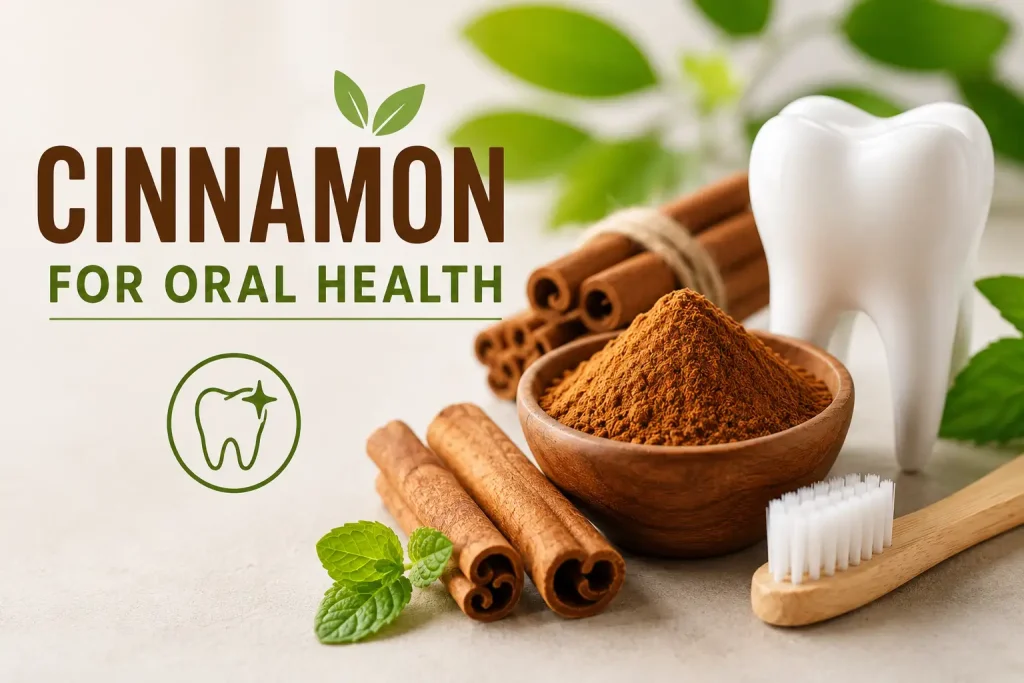
In this blog, you’ll learn how cinnamon for oral health, its possible benefits, safe ways to use it, and why regular dental care is still important.
What Makes Cinnamon Beneficial for Oral Health?
Cinnamon is the inner bark of trees belonging to the Cinnamomum family. The most common varieties are Ceylon cinnamon and Cassia cinnamon.
Its health-supporting properties come mainly from natural compounds such as:
- Cinnamaldehyde
- Eugenol
- Polyphenols
- Flavonoids
These compounds have been studied for their antibacterial, antifungal, antioxidant, and anti-inflammatory effects. Since many dental problems begin with bacterial buildup and inflammation, thus cinnamon for oral health has gained attention as a supportive ingredient for maintaining oral hygiene.
How Cinnamon Supports Oral Health
Helps Reduce Harmful Oral Bacteria
Your mouth naturally contains hundreds of bacterial species. While many are harmless, some contribute to plaque formation, tooth decay, and gum disease.
Laboratory studies suggest that cinnamon may help reduce the growth of bacteria commonly associated with dental problems, including bacteria involved in plaque formation and cavities.
Reducing bacterial activity may help lower the risk of oral infections when combined with proper brushing and flossing.
May Help Control Bad Breath
Persistent bad breath, also known as halitosis, often develops because bacteria break down food particles and release unpleasant-smelling sulfur compounds.
Cinnamon contains aromatic oils that temporarily freshen breath while also helping reduce the bacteria responsible for odor.
For this reason, cinnamon is commonly included in:
- Sugar-free chewing gums
- Mouthwashes
- Breath fresheners
- Herbal toothpaste
Although it can improve breath freshness, long-lasting bad breath should always be evaluated by a dentist because it may indicate gum disease, tooth decay, or other medical conditions.
Supports Healthy Gums
Healthy gums are essential for strong teeth.
When plaque builds up along the gum line, it can irritate the gums and cause redness, swelling, and bleeding, especially during brushing or flossing.
The antioxidant and anti-inflammatory compounds found in cinnamon may help support gum health by reducing oxidative stress and limiting bacterial growth. While research is ongoing, these properties suggest cinnamon may complement daily oral hygiene practices.
However, advanced gum disease requires professional dental treatment and cannot be managed with home remedies alone.
May Reduce Plaque Formation
Plaque is a soft, sticky film of bacteria that naturally builds up on your teeth throughout the day.
If plaque is not removed daily, it can harden into tartar and increase the risk of cavities and gum disease.
Some studies have found that cinnamon extracts may interfere with bacterial activity involved in plaque development. Although this does not replace brushing or professional cleaning, it highlights cinnamon’s supportive role in maintaining oral cleanliness.
Provides Antioxidant Protection
Oxidative stress can contribute to inflammation within the mouth and gums.
Cinnamon contains natural antioxidants that help neutralize free radicals, supporting healthier oral tissues.
A balanced diet rich in antioxidant-containing foods, combined with good oral hygiene, contributes to better overall dental health.
Can Cinnamon Help Prevent Cavities?
Tooth decay develops when cavity-causing bacteria feed on sugars and produce acids that gradually dissolve tooth enamel.
Research has shown that cinnamon demonstrates antibacterial activity against several microorganisms involved in dental decay. While these findings are encouraging, cinnamon alone cannot prevent cavities.
The most effective cavity prevention still includes:
- Brushing twice daily with fluoride toothpaste
- Flossing every day
- Limiting sugary foods and drinks
- Drinking enough water
- Visiting your dentist regularly
Think of cinnamon as a supportive ingredient rather than a replacement for proven preventive dental care.
Safe Ways to Include Cinnamon in Your Oral Care Routine
Add Cinnamon to Your Diet
Using cinnamon in everyday meals is one of the easiest ways to enjoy its natural benefits.
You can sprinkle small amounts on:
- Oatmeal
- Fruits
- Smoothies
- Yogurt
- Herbal tea
Choose Ceylon cinnamon whenever possible, especially if you consume cinnamon regularly, as it naturally contains lower amounts of coumarin.
Choose Oral Care Products with Cinnamon
Many dental products include cinnamon because of its pleasant flavor and antimicrobial properties.
Look for:
- Alcohol-free mouthwash
- Sugar-free chewing gum
- Herbal toothpaste
- Breath freshening products
Always select products approved for dental use from reputable manufacturers.
Maintain Daily Oral Hygiene
Natural ingredients work best when combined with proper oral hygiene habits.
A complete routine should include:
- Brushing for two minutes twice daily
- Cleaning between teeth with floss or interdental brushes
- Cleaning your tongue
- Drinking sufficient water
- Scheduling routine dental examinations
Is Cinnamon Safe for Everyone?
For most people, cinnamon is safe when consumed in moderate amounts as part of a normal diet.
However, excessive use may cause problems.
Possible concerns include:
Mouth Irritation
Some individuals may develop irritation, burning, or sensitivity after prolonged contact with cinnamon-containing products.
If discomfort develops, discontinue use and consult your dentist.
Allergic Reactions
Although uncommon, cinnamon allergies can occur.
Symptoms may include:
- Burning sensation
- Swelling
- Red patches
- Mouth sores
- Itching
Seek professional medical advice if these symptoms appear.
Excessive Consumption
Cassia cinnamon contains higher levels of coumarin, which may not be suitable for frequent high intake.
Moderation is always recommended.
Common Myths About Cinnamon and Oral Health
Myth: Cinnamon Can Cure Tooth Decay
This is false.
Once a cavity develops, it requires professional dental treatment. Cinnamon cannot repair damaged tooth enamel.
Myth: Cinnamon Replaces Toothpaste
No natural ingredient can replace fluoride toothpaste, brushing, or flossing.
Cinnamon should only support—not replace—daily dental care.
Myth: Cinnamon Removes Plaque Completely
Plaque must be physically removed through brushing, flossing, and professional cleanings.
Cinnamon may help reduce bacterial activity, but it cannot eliminate plaque on its own.
When Should You Visit a Dentist?
Natural remedies should never delay professional dental treatment.
Book a dental appointment if you experience:
- Tooth pain
- Bleeding gums
- Persistent bad breath
- Loose teeth
- Swollen gums
- Tooth sensitivity
- Mouth ulcers lasting more than two weeks
Early diagnosis often leads to simpler and more effective treatment.
Tips for Better Oral Health Every Day
Along with incorporating healthy ingredients like cinnamon into your diet, follow these habits:
- Brush twice daily using fluoride toothpaste.
- Replace your toothbrush every three to four months.
- Limit sugary snacks and acidic beverages.
- Drink plenty of water throughout the day.
- Eat a balanced diet rich in calcium and vitamins.
- Avoid tobacco products.
- Schedule regular dental check-ups and professional cleanings.
Consistent daily care has a much greater impact on oral health than relying on any single natural ingredient.
Frequently Asked Questions
Is cinnamon good for oral health?
Yes. Cinnamon contains natural antibacterial and antioxidant compounds that may help reduce harmful oral bacteria, support healthy gums, and freshen breath.It works best when combined with daily brushing, flossing, and regular dental check-ups.
Can cinnamon help with bad breath?
Cinnamon may temporarily freshen breath while helping reduce odor-causing bacteria. Persistent bad breath should be evaluated by a dentist to identify the underlying cause.
Does cinnamon prevent cavities?
Cinnamon may help reduce bacteria linked to tooth decay, but it cannot prevent cavities by itself. Daily brushing, flossing, fluoride use, and regular dental visits remain essential.
Can I brush my teeth with cinnamon powder?
Using cinnamon powder directly on your teeth is not recommended. It may irritate the soft tissues of the mouth and does not replace fluoride toothpaste.
Which type of cinnamon is better?
Ceylon cinnamon is generally preferred for regular dietary use because it contains lower levels of coumarin than Cassia cinnamon.
Conclusion
Cinnamon is more than a flavorful kitchen spice. Its natural antibacterial, antioxidant, and anti-inflammatory properties make it an interesting ingredient for supporting oral health. Research suggests it may help reduce harmful bacteria, freshen breath, and promote healthier gums when combined with a consistent oral care routine.
However, cinnamon should never replace brushing, flossing, fluoride toothpaste, or professional dental care. Maintaining excellent oral hygiene and scheduling regular dental check-ups remain the most effective ways to protect your teeth and gums for the long term.